Related Articles




(Image from kbb.com, the copyright belongs to the original author)
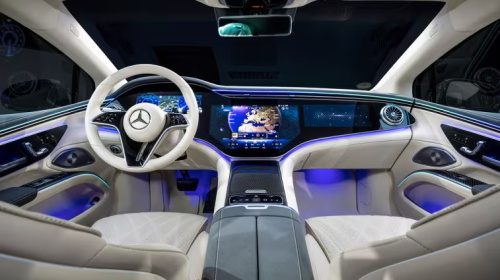
Cars used to be simple. A driver’s seat, a steering wheel, a handful of gauges, maybe a radio — and that was pretty much it. Interiors were basic, utilitarian, and mostly identical across models. What mattered was transportation: getting from A to B, reliably and safely. But today’s consumers often view their cars as much more than metal boxes on wheels. For many, a car is now a personal zone, a private retreat, even a reflection of their identity and lifestyle. That shift is reshaping how automakers design cabins — with customization, comfort, connectivity, and experience at the core.
Why Cars Are No Longer Just Cars?
The demand for personalization goes beyond mere vanity or aesthetic preference. Buyers increasingly want vehicles that adapt to their routines, moods, and values. Whether it’s choosing materials that match personal tastes or selecting ambient lighting that reflects a mood, consumers are looking for an environment that feels like “theirs.” Manufacturers listen — and are leaning into tech, sustainability, and design in equal measure. The modern car interior isn’t just about driving; it’s about living, relaxing, winding down, or working while on the go.
This change is part of a broader transformation in how we think about mobility. Rather than just wheels and engines, cars are becoming smart — and sensitive — spaces. They are designed not just to transport, but to accommodate, to comfort, to entertain, and to adapt.
What “Personalized” Means in Modern Cars?
One of the most visible ways interior personalization is manifesting is through lighting. Ambient lighting systems — once a luxury add-on — are becoming mainstream, even in mid-range models. These systems allow drivers to pick colors, brightness levels, and moods for cabin lights. More advanced solutions go a step further: dynamic lighting that adjusts in real time based on driving conditions, time of day, or even driver mood changes. For example, some systems gradually shift from calming blues during long highway drives to energetic hues during city driving. Others may pulse subtly in sync with music or change to warn the driver of hazards. Lighting is no longer just decoration — it has become a functional, emotionally aware interface. [1]
(Image from USA Today, the copyright belongs to the original author)
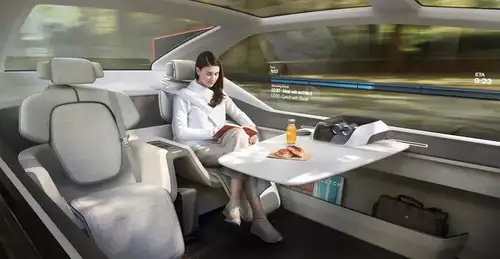
But personalization doesn’t stop at lights. Interior materials are also being rethought. With rising awareness of sustainable consumption, many car makers now offer interiors built with recycled plastics, bio-based fabrics, vegan leather alternatives, and renewable wood veneers. These materials not only reduce environmental impact, but also allow drivers to tailor their cabin’s look and feel — whether that’s minimalist and modern, or warm and natural. The value of eco-conscious interiors is rising, especially among buyers who care about sustainability and want cars that align with their values.
Technology plays a central role in personalization. Traditional buttons and dials are being replaced by touchscreens, voice controls, gesture interfaces, and heads-up displays. Infotainment systems are no longer limited to radio and maps — they now offer connectivity, streaming, navigation, communication, and more. Many vehicles are becoming extensions of our digital lives: our playlists, phone contacts, calendar, even our home automation settings can follow us into the car. In some models, systems learn drivers’ habits over time — preferred seat positions, climate settings, frequently used destinations — and automatically adjust when you get behind the wheel. This convergence of digital lifestyle and mobility turns the car cabin into a customizable, intuitive, and familiar environment.
Comfort and wellness are increasingly part of the equation too. Some interiors offer heated or ventilated seats, memory functions, ergonomic design, and advanced climate control. Others go even further, introducing features like massage seats, adjustable posture support, and air purification — aiming to make the car not just a way to travel, but a space for relaxation and well-being. In an age where many people spend hours commuting, working from car cabins, or simply navigating urban traffic, this focus on comfort makes sense. The car becomes a personal zone to decompress, unwind, or recharge between errands or commutes.
Connectedness and customization go hand in hand as well. Modern vehicles increasingly allow personalization at scale. Where once you picked from a fixed set of factory options, today many automakers provide modular layouts, customizable trim finishes, configurable seat and lighting packages, and flexible cabin configurations. Some buyers treat their cars like customizable properties — upgrading over time, swapping materials, alters lighting themes, or updating software. For users sharing cars — families, couples, friends — these features make vehicles more adaptable, more human.
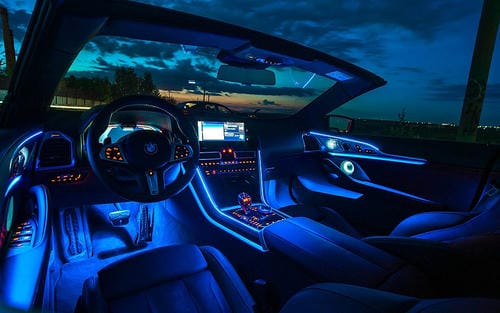
Finally, the rise of aftermarket customization is evidence of how deeply people want to express themselves through their vehicles. According to recent research, customization — once a niche for car enthusiasts — has become mainstream. Rather than focusing solely on performance upgrades, many owners now prioritize aesthetic or comfort-oriented modifications: custom interiors, personalized lighting, bespoke trim, and tech upgrades. This reflects not only changing tastes but also the broader trend toward making cars more personal and expressive. [2]
What’s Fueling the Personalization Trend?
Part of the transformation stems from evolving consumer expectations. As people’s lifestyles change — remote work, flexible schedules, longer commutes — the car is no longer just for occasional trips. It becomes a daily environment, a mobile extension of home or office. In that context, functionality matters less than comfort, mood, and experience. Buyers want a space tailored to their routines, moods, and values, and manufacturers are responding.
At the same time, technological advancements are making personalization cheaper, easier, and more reliable. LED and OLED lighting systems — energy-efficient and compact — provide flexible, multi-color, dynamic ambient lighting without compromising a car’s power or design constraints. Smart interfaces, AI-powered infotainment, and modular interior components make customization feasible even in mass-produced cars, not just luxury models. [3]
Sustainability concerns are also influencing design. As more consumers care about ecological impact, automakers are turning to recycled materials, bio-based fabrics, and sustainable wood. These options not only reduce environmental footprint but also offer attractive design flexibility — making customization eco-conscious as well as personal.
Regulatory and market pressures are another factor. As competition grows — especially among electric vehicle (EV) makers and tech-forward brands — differentiation increasingly comes from the cabin experience, not just performance or price. Automakers realize that offering a highly personalized and tech-rich interior can be a major selling point, and a way to cultivate brand loyalty, especially among younger, tech-savvy demographics.
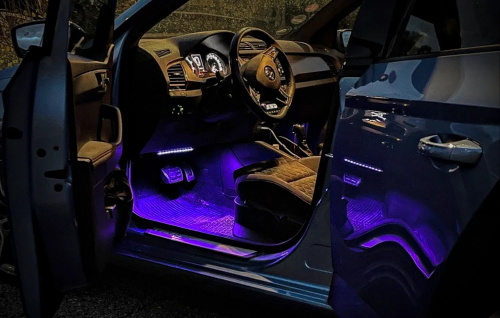
Lastly, the expanding aftermarket ecosystem — powered by 3D printing, modular accessories, and third-party customization shops — is enabling owners to go beyond factory settings. For many, personalization is an ongoing process: a seat cover here, a custom lighting pack there, a trim upgrade down the line. As customization becomes more accessible and affordable, more owners choose to tailor their cars to feel uniquely theirs.
Cars are no longer defined purely by engine specs or exterior design. Increasingly, what happens inside — the cabin experience, the feel, the mood — is just as important. As technology, design, and values evolve, so too does our idea of what a “car” should feel like. For many, it’s not just a mode of transport; it’s a personal space, a lifestyle choice, a reflection of identity. And with advances in lighting, materials, connectivity, and customization, that vision is becoming reality.
Sources:
[1]: https://vehiclereport.com/blog/the-transformation-of-car-interiors-tech-comfort-and-sustainability
[2]: https://www.allcommercejournal.com/article/778/6-2-204-100.pdf
[3]: https://www.accio.com/business/car-ambient-light-interior-trends
References:
https://www.gminsights.com/industry-analysis/automotive-interior-ambient-lighting-system-market
https://peccagroup.com/idea/future-of-automotive-interiors-trends
https://runwaylanderspot.com/?d=lanciareporter.com&pkAId=2143526812
https://www.credenceresearch.com/report/automotive-interior-ambient-lighting-market
